
Motorcycle Reckless Driving in Virginia: What Riders Need to Know
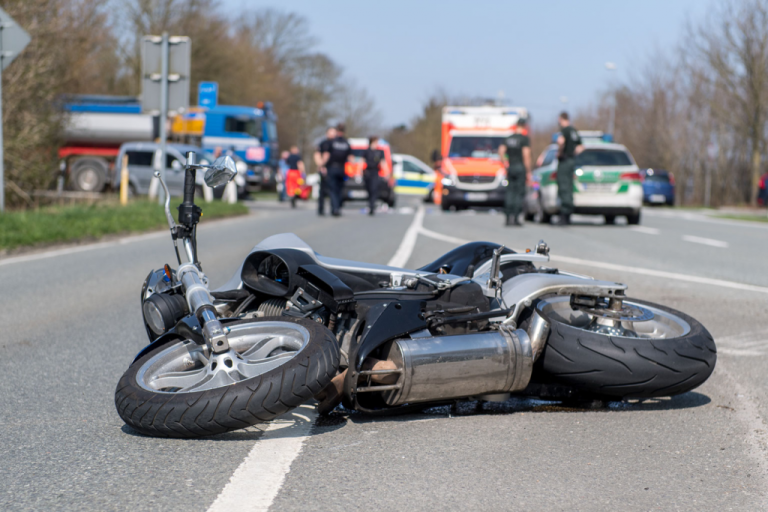
Virginia’s reckless driving statutes apply to motorcycles identically to how they apply to passenger vehicles, but motorcyclists face specific enforcement patterns, prosecution attitudes, and case dynamics that differ from typical passenger vehicle cases. Motorcyclists cited for reckless driving in Virginia benefit from understanding these specific dynamics as they prepare for their cases and consider RADEP completion.
Common Reckless Driving Charges Against Motorcyclists
The most common reckless driving charge against motorcyclists in Virginia is reckless driving by speed. The 20-mph-over threshold and the absolute 85-mph threshold apply to motorcycles exactly as they apply to cars. Motorcycles’ typically superior acceleration and top speed capabilities mean riders can inadvertently cross these thresholds during ordinary riding that would not have been possible in typical passenger vehicles.
Reckless driving by judgment charges against motorcyclists often involve aggressive maneuvering: rapid lane changes, high-speed passing, splitting between lanes of stopped or slow traffic, or riding with wheels off the ground (wheelies). The judgment-based statute (§46.2-852) gives officers discretion to identify reckless behavior even without specific speed evidence, and motorcycle-specific behaviors sometimes trigger these charges.
Speed by Judgment Applied to Motorcycles
Officers observing motorcycle riding often make speed judgments based on visual and auditory cues rather than radar or LIDAR measurements alone. The distinctive engine sounds of high-performance motorcycles, the visual impression of high-speed passing, and the specific dynamics of motorcycle lane positioning all shape officer perceptions in ways that can produce reckless driving charges based on judgment rather than specific measurement.
This judgment-based enforcement creates specific defense opportunities and challenges. Defenses focus on whether the officer’s judgment was reasonable given the actual conditions, whether alternative explanations for the observed behavior exist, and whether the specific behavior actually met the statutory reckless driving standard. Motorcyclists facing judgment-based charges benefit from attorney consultation regarding the specific facts of their case.
Lane Splitting and Lane Sharing Laws in Virginia
Virginia does not permit lane splitting (riding between lanes of moving or stopped traffic) or lane sharing (two motorcycles occupying the same lane simultaneously) in the way some other states permit these practices. Motorcyclists who split lanes on Virginia roads face potential reckless driving charges in addition to specific statutory violations for the lane discipline problem.
Riders relocating from lane-splitting states (California most notably) often carry over habits that produce Virginia citations. Understanding Virginia’s specific approach to motorcycle lane use is essential for avoiding charges that produce serious consequences beyond simple traffic tickets. The behaviors permitted in other states can be criminal in Virginia.
Aggressive Riding Versus Enthusiast Riding
Motorcycle enthusiast culture sometimes involves riding behaviors that officers, prosecutors, and juries may interpret differently than riders intend. Group rides that accelerate rapidly through curves, high-performance riding that pushes motorcycle capabilities, and various expressions of riding skill can produce charges when officers interpret the behavior as reckless rather than skilled.
The perception gap between enthusiast riders and non-riding observers matters for how cases develop. Prosecutors and judges without riding experience may not distinguish between skilled riding at the edge of legal limits and truly reckless riding creating unreasonable risk. Defense strategies sometimes involve educating court personnel about riding fundamentals in ways that help them evaluate the specific behavior accurately.
Consequences Beyond Standard Reckless Driving
Motorcyclists convicted of reckless driving face the standard Class 1 misdemeanor consequences: potential jail time up to 12 months, fines up to $2,500, and license suspension. Beyond these standard consequences, motorcycle-specific considerations affect the overall impact of a conviction.
Motorcycle insurance premiums typically increase substantially after reckless driving convictions, often more than passenger vehicle premiums increase. Some motorcycle-specific insurance markets become unavailable after serious violations, forcing riders into more expensive substandard insurance markets. The financial impact of a motorcycle reckless conviction often exceeds what similar convictions produce for passenger vehicle drivers.
RADEP for Motorcyclists
RADEP curriculum was designed primarily around passenger vehicle driving but applies to motorcyclists as well. Court-ordered or voluntary RADEP completion by motorcyclists produces the same court-accepted completion certificate as passenger vehicle drivers receive, and the underlying behavioral content addresses the risk patterns that produce reckless behavior across vehicle types.
Some motorcyclists find that RADEP completion prompts specific reflection on motorcycle-specific risk factors that supplement the general curriculum. The 12-hour investment often produces value beyond the specific court case, supporting safer long-term riding through the behavioral awareness the program develops. Motorcyclists who engage genuinely with the program typically report the same value passenger vehicle drivers report.
Insurance Impact for Motorcyclists Specifically
The motorcycle insurance market treats reckless driving convictions as major underwriting concerns. Standard-market insurers often decline to renew coverage after convictions or apply substantial surcharges that persist for multiple years. Non-standard motorcycle insurers accept the risk but charge substantially higher premiums than standard markets.
Some motorcyclists find their insurance costs after conviction so elevated that riding becomes financially impractical. This unintended consequence sometimes exceeds the direct court penalties in overall impact. Understanding this insurance risk before conviction affects how motorcyclists should approach their cases: even relatively favorable court outcomes may still produce insurance consequences that substantially affect the rider’s ability to continue riding.
Case Strategies for Motorcycle Reckless Charges
Effective case strategy for motorcycle reckless charges typically involves attorney consultation with attorneys who understand motorcycle-specific dynamics. Attorneys familiar with motorcycle cases understand both the technical aspects (motorcycle capability, riding dynamics, common enforcement patterns) and the perception aspects (how prosecutors and judges view motorcycle cases) that shape case outcomes.
Voluntary RADEP completion supports motorcycle cases as it supports passenger vehicle cases. The visible initiative demonstrates the rider’s serious approach to the case rather than dismissive minimization. Combined with other case preparation elements, voluntary completion contributes to the mitigation package that supports the best available case outcomes.
Documentation and Evidence for Motorcycle Cases
Motorcyclists cited for reckless driving should preserve any documentation available: dashcam footage if the motorcycle carried a camera, GPS speed logs from riding apps, service records showing the motorcycle’s mechanical condition, and any specific evidence relevant to the specific case circumstances. This documentation supports defense preparation in ways that memory alone cannot.
Witness information is particularly valuable in motorcycle cases where perception gaps between riders and non-riders affect how case evidence is interpreted. Fellow riders who witnessed the incident, passengers on the same ride, or independent observers who saw the specific events can provide testimony that supplements the officer’s perspective with additional context.
Long-Term Riding After Reckless Driving Cases
Motorcyclists who complete their reckless driving cases (through any resolution) benefit from deliberate reflection on what led to the citation and how to prevent similar situations. RADEP provides structured support for this reflection, but the reflection matters regardless of whether RADEP was court-ordered or voluntary.
1 Stop Driving School’s RADEP program serves motorcyclists throughout Virginia who need court-accepted completion documentation. The 12-hour curriculum meets Virginia’s requirements while providing content that motorcyclists can apply to their specific riding contexts. Riders can enroll promptly after citation, complete the program in whichever format fits their schedules, and use the completion strategically within their overall case approach.
This article is informational only and does not constitute legal advice. Motorcyclists facing reckless driving charges should consult with a Virginia licensed attorney about the specific circumstances of their case.
