
Guides to Virginia's Reckless Aggressive Driver Education Program (RADEP)


The Difference Between Reckless Driving and Aggressive Driving in Virginia Law
Virginia Reckless Driving by Speed: The 20 MPH and 85 MPH Thresholds Explained
How a Reckless Driving Conviction Affects Your Virginia Insurance Rates
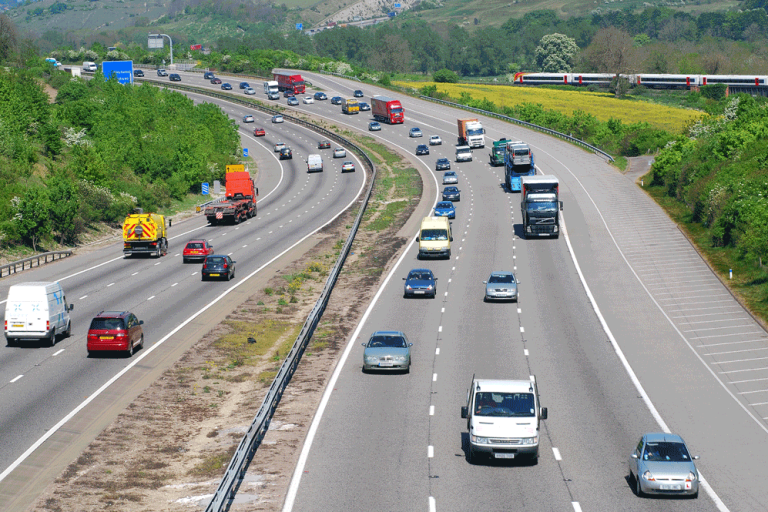
Drivers facing charges in Virginia courtrooms often hear the terms reckless driving and aggressive driving used interchangeably by friends, family members, and even some news reports. In Virginia law, the two terms refer to distinct offenses with different elements, different penalties, and different long-term consequences. Understanding which charge actually applies to your case is the first…
Virginia is one of the strictest states in the country when it comes to speed-based reckless driving charges. Two specific speed thresholds elevate a routine speeding ticket to a criminal Class 1 misdemeanor, and drivers who fall foul of either threshold often have no idea their speed crossed a legal line until they see the citation. Understanding both thresholds, and how they interact, helps dri…
The criminal penalties of a Virginia reckless driving conviction are usually the focus of attention at the time of charge. The fines, the potential jail time, the points on the DMV record, the possible license suspension — these are the visible immediate costs. The financial cost that often turns out to be larger over time is the insurance impact, and it is one of the consequences defendants are least…



How RADEP Affects Your CDL: Special Considerations for Commercial Drivers
Five Common Triggers for Aggressive Driving (and How RADEP Helps You Recognize Them)
Out-of-State Drivers Charged With Reckless Driving in Virginia: How RADEP Applies
Commercial driver’s license holders face a different set of consequences from a reckless driving charge than standard drivers. The federal regulatory framework treats CDL holders more strictly than non-commercial drivers, and a reckless driving conviction can affect a commercial driver’s career in ways the criminal penalties alone do not capture. Understanding the CDL-specific consequences…
Aggressive driving rarely happens for no reason. Drivers who behave aggressively behind the wheel are responding to specific triggers, even when they cannot articulate what those triggers are in the moment. RADEP’s behavioral curriculum is built around helping students identify the triggers that produce their own aggressive responses. Understanding the five most common triggers…
Virginia’s I-95 corridor, I-81 corridor, and I-64 corridor carry millions of out-of-state drivers each year. A significant portion of Virginia’s reckless driving charges involve drivers who do not live in the Commonwealth and who learned about Virginia’s strict speed thresholds only when blue lights appeared in their rearview mirror. Out-of-state drivers face the same Virginia laws as residents…



How Long Reckless Driving Stays on Your Virginia Driving Record
The Role of an Attorney in Virginia Reckless Driving Cases (and How RADEP Fits In)
What Happens If You Miss Your RADEP Completion Deadline
Defendants convicted of reckless driving in Virginia often ask one question more than any other: how long will this follow me? The answer depends on which record is involved. The DMV driving record, the criminal record, the insurance record, and the background check record each respond to a reckless driving conviction differently and on different timelines. Understanding each is ess…
Defendants charged with reckless driving in Virginia face a decision early in the process: hire an attorney or self-represent. The right answer depends on the specifics of the case, the defendant’s resources, and the stakes involved. Understanding what attorneys actually do in these cases, when their involvement most clearly adds value, and how RADEP fits into attorney-led strat…
Virginia courts that order RADEP set specific deadlines for completion. The deadline is typically tied to the case’s broader resolution timeline, the defendant’s circumstances, and the court’s standard practices. Defendants who miss the deadline face escalating consequences that can include contempt of court findings, reinstatement of original charges, license suspension, and in so…



Improper Driving in Virginia: The Common Reduced Charge From Reckless Driving
Common Defenses to Virginia Reckless Driving Charges
What to Expect at Your Virginia Reckless Driving Court Date
For most defendants facing a Virginia reckless driving charge, the best realistic outcome is not outright dismissal. It is a reduction to improper driving. This lesser charge carries dramatically lower penalties and avoids the criminal misdemeanor conviction that reckless driving would produce. Understanding what improper driving is, how it differs from reckless driving, and…
Not every Virginia reckless driving case ends with the defendant accepting the original charge. Depending on the specific facts, several defense strategies may reduce, dismiss, or otherwise favorably resolve the case. Understanding what defenses exist, and which apply to which situations, helps defendants and their attorneys evaluate the case realistically and pursue outcomes that f…
For most Virginia reckless driving defendants, the court date is unfamiliar territory. Traffic tickets typically resolve without a courtroom appearance, but reckless driving is a Class 1 misdemeanor requiring the defendant to appear in person. Understanding what happens at court, what to bring, and how to conduct yourself reduces stress and supports a more favorable outcome.



The Total Cost of a Reckless Driving Conviction in Virginia
Virginia Reckless Driving Impact on Federal Employment and Security Clearances
How Radar and LIDAR Evidence Work in Virginia Reckless Driving Cases
Defendants facing Virginia reckless driving charges usually focus on the immediate fine and court costs when thinking about the financial impact. This focus dramatically understates the true cost of a conviction. The fine and court costs represent only a small fraction of the total financial impact, and defendants who plan around only the immediate costs sometimes make poor decision…
Virginia’s proximity to Washington, D.C. means the state hosts one of the highest concentrations of federal employees and government contractors in the country. Reckless driving charges for these workers carry consequences beyond the traffic case itself. Understanding how federal employment and security clearance frameworks respond to reckless driving convictions helps affected defe…
The vast majority of Virginia reckless driving charges based on speed rely on radar or LIDAR evidence to establish the vehicle’s speed. Understanding how these technologies work, how officers use them, and where potential challenges exist helps defendants evaluate the strength of the evidence against them and prepare appropriate case strategies.



First-Time Reckless Driving in Virginia: What Judges Typically Do
Deferred Disposition for Virginia Reckless Driving Cases
Reckless Driving in Virginia School and Work Zones: Enhanced Penalties
The majority of Virginia defendants facing reckless driving charges are first-time offenders. These are drivers with clean records who exceeded a speed threshold, made a lane-change error, or otherwise triggered a reckless charge in circumstances that surprised them. Understanding how Virginia judges typically handle first-time cases helps defendants set realistic expectations and p…
Some Virginia reckless driving cases resolve through an option many defendants have never heard of: deferred disposition. This procedural path involves the court holding the case open for a specified period, imposing conditions the defendant must complete during that period, and ultimately dismissing or reducing the charge if conditions are met. Understanding when deferred dispositi…
Reckless driving charges in Virginia school zones and work zones carry enhanced consequences beyond the already-serious penalties that apply to standard reckless driving cases. Virginia has established specific statutory frameworks to protect vulnerable populations in these zones, and defendants charged with reckless driving in these locations face different case dynamics than defen…



Reckless Driving in a Rental Car in Virginia: What Renters Should Know
Second Offense Reckless Driving in Virginia: Escalated Penalties and Case Strategy
Racing on Virginia Highways: The Automatic Reckless Charge Under §46.2-865
Rental cars appear on Virginia roads in massive numbers, driven by tourists, business travelers, temporary residents, and locals whose personal vehicles are unavailable. When a rental driver receives a reckless driving citation in Virginia, the consequences involve the driver’s personal record, the driver’s own insurance, the rental company’s policies, and sometimes the rental car insurance program the driver purchased…
Defendants facing a second reckless driving charge in Virginia occupy a different position than first-time offenders. The court, the prosecutor, and the DMV all respond to repeat charges with reduced flexibility and elevated consequences. Understanding what changes with a second offense helps defendants set realistic expectations and pursue…
Virginia law treats racing on highways as automatic reckless driving regardless of the speeds involved or whether any crash resulted. Virginia Code §46.2-865 makes racing a per se reckless driving offense, meaning the state does not need to prove the general reckless driving elements when racing is established. Understanding the specific rules and consequences helps drivers avoid charges that many did…



Reckless Driving and DUI in Virginia: When Both Charges Apply
Trial De Novo: Appealing a Virginia Reckless Driving Conviction to Circuit Court
How Virginia Prosecutors Decide Whether to Reduce Reckless Driving Charges
Virginia prosecutors sometimes file both reckless driving and DUI charges from a single traffic stop. The combined charges produce compounded consequences that exceed either charge alone, and the interaction between the two frameworks affects case strategy in specific ways. Understanding how the two charges relate helps defendants and their attorneys navigate the case more effectively…
Virginia’s court structure gives defendants convicted of reckless driving in general district court a specific right of appeal: a trial de novo in circuit court. This appeal is different from most appeals people are familiar with because it produces a completely new trial rather than a review of the previous trial. Understanding when the trial de novo option makes sense — and when it doesn’t — helps convicted defendants…
Virginia prosecutors have substantial discretion in deciding whether to offer reductions from reckless driving to lesser charges like improper driving. Understanding how prosecutors think about these decisions helps defendants and their attorneys structure case presentations that maximize the probability of favorable outcomes. The prosecutorial perspective is different from the defense perspective, and appreciating…


Rideshare and Delivery Drivers Charged With Reckless Driving in Virginia
Character References and Mitigation Letters for Virginia Reckless Driving Cases
Online vs. In-Person RADEP in Virginia: Choosing the Right Format
Rideshare drivers (Uber, Lyft) and delivery drivers (DoorDash, Uber Eats, Grubhub, Amazon Flex, Instacart) face specific consequences from Virginia reckless driving charges that go beyond the general legal and insurance impact. Platform-specific requirements, background check policies, and driver deactivation risks all apply. Understanding this compounded exposure helps gig-economy drivers make informed decisions when facing charges…
Character reference letters are among the most underutilized mitigation tools in Virginia reckless driving cases. Well-prepared references from credible people who know the defendant personally can meaningfully influence judicial and prosecutorial decisions about sentencing and plea outcomes. Understanding who to ask, what should be included, and how to present the letters at court helps defendants use…
One of the first decisions Virginia defendants face after being ordered to complete RADEP — or after deciding to complete it voluntarily before court — is whether to take the course online or in person. Both formats satisfy Virginia’s requirements when the provider is DMV-approved, but the two experiences differ substantially in scheduling flexibility, learning environment, and the specific type of student each format serves best…



Reckless Driving on Virginia Interstates: I-95, I-64, I-81, and I-66 Enforcement
Motorcycle Reckless Driving in Virginia: What Riders Need to Know
The RADEP Timeline: From Enrollment to Court-Ready Certificate
Virginia’s four major interstates — I-95, I-64, I-81, and I-66 — carry the vast majority of the state’s long-distance traffic and account for a disproportionate share of Virginia’s reckless driving charges. Each corridor has its own enforcement patterns, common charge scenarios, and specific challenges that affect how cases develop. Drivers cited for reckless driving on these interstates benefit from understanding the specific…
Virginia’s reckless driving statutes apply to motorcycles identically to how they apply to passenger vehicles, but motorcyclists face specific enforcement patterns, prosecution attitudes, and case dynamics that differ from typical passenger vehicle cases. Motorcyclists cited for reckless driving in Virginia benefit from understanding these specific dynamics as they prepare for their cases and consider RADEP completion…
Defendants facing Virginia reckless driving cases often need to complete RADEP within specific court-related timeframes. Understanding the realistic timeline from enrollment to court-ready certificate helps defendants plan appropriately and avoid the last-minute rushes that create problems. Both format choice and specific scheduling decisions affect the total timeline substantially…